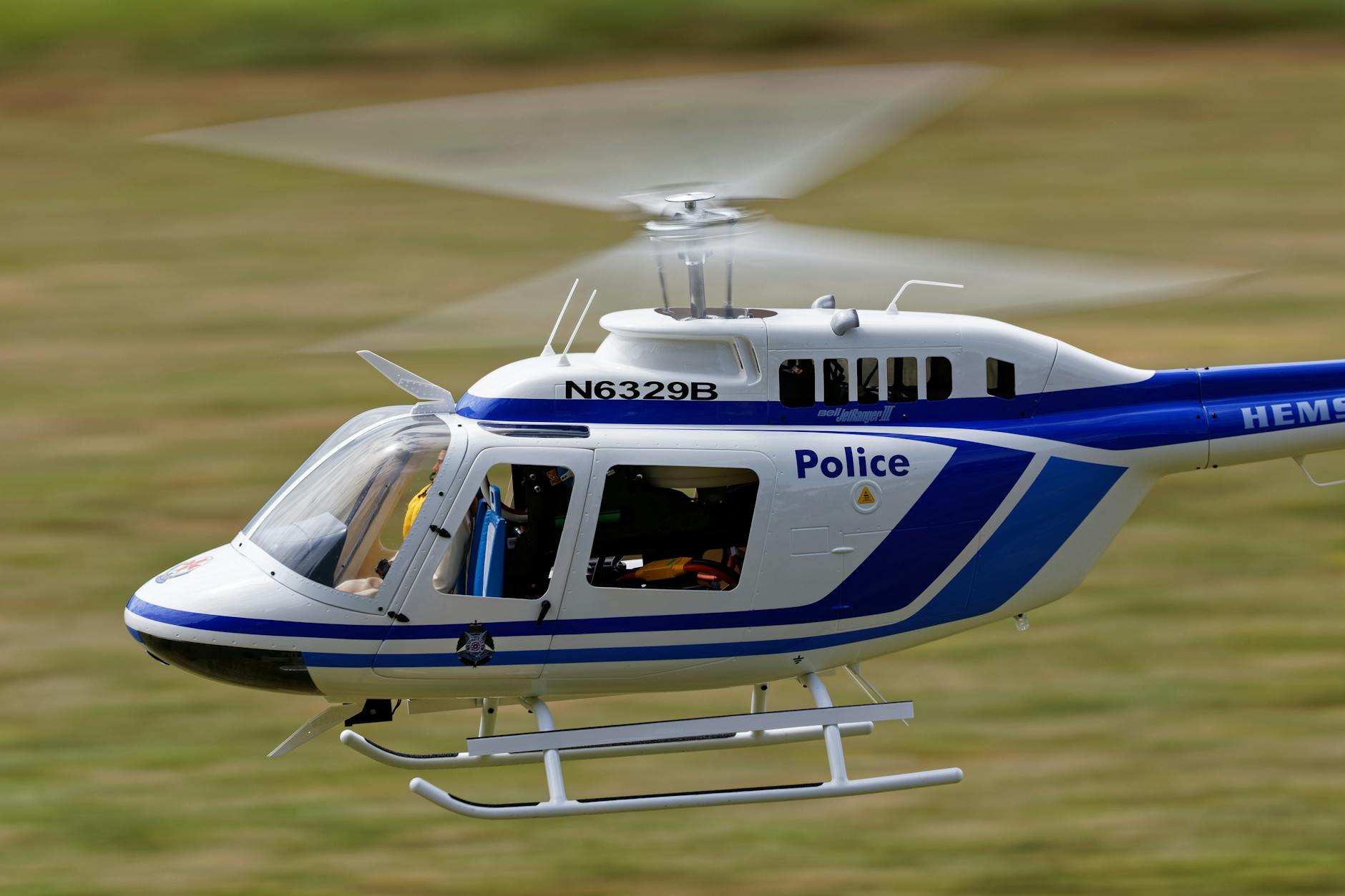
Police departments in 15 U.S. cities have begun deploying drones for surveillance, marking a significant shift in law enforcement tactics. This technology, once relegated to military operations, now hovers over American streets, raising important questions about privacy and public safety.
The use of drones for surveillance is not just a technological upgrade; it is a fundamental change in how police interact with communities. Can police use drones for surveillance effectively while respecting civil liberties? This debate is at the heart of the discussion as cities grapple with balancing security needs and individual rights. Can police use drones for surveillance without infringing on privacy? The answer lies in clear guidelines, transparency, and community involvement in shaping these policies.
The Rise of Police Drones
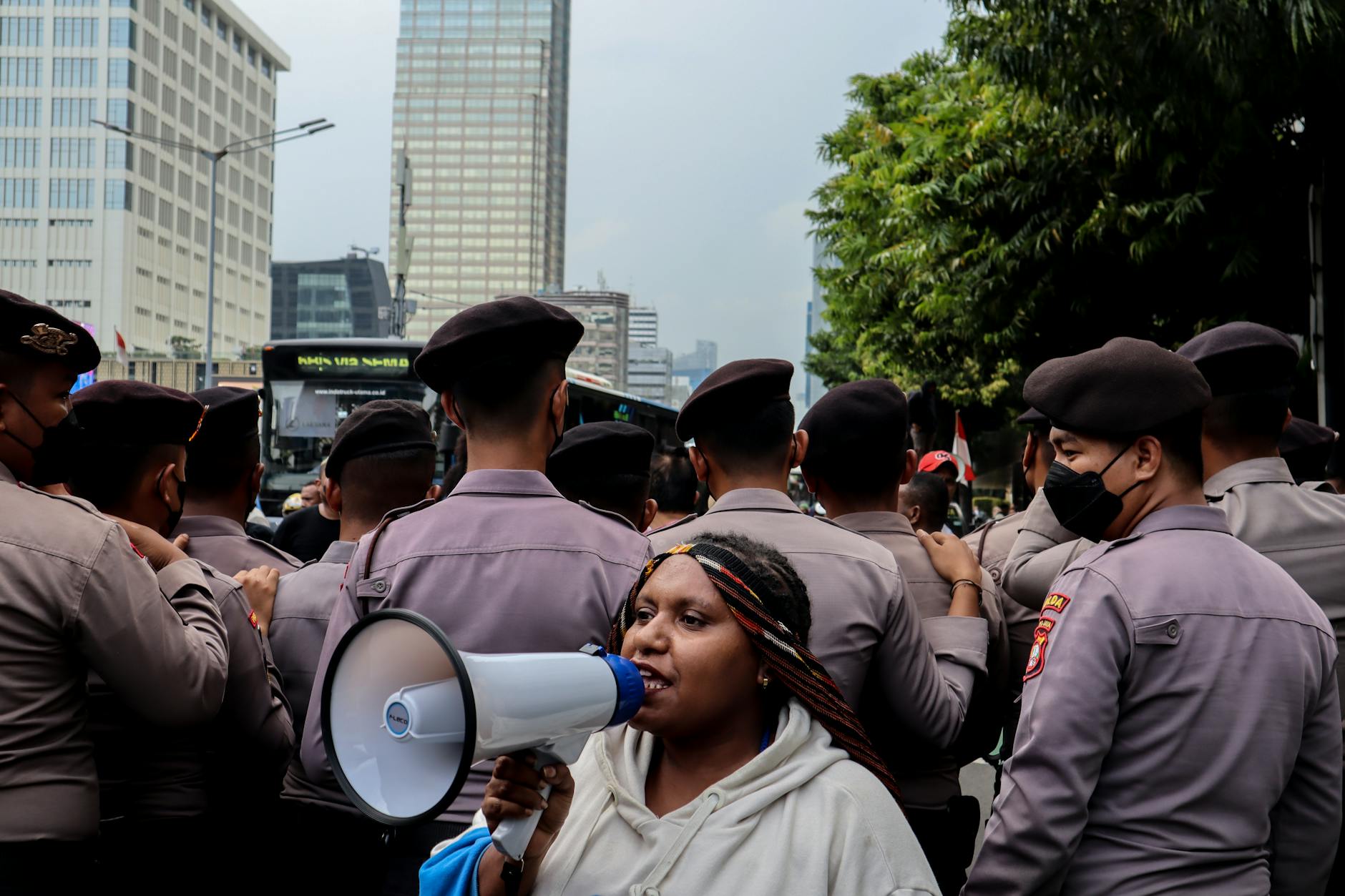
Police departments across the United States are rapidly adopting drones for surveillance purposes. The rise of these unmanned aerial vehicles (UAVs) in law enforcement has been swift, with 15 cities now utilizing them for various operations. This trend reflects a broader shift toward technological integration in policing strategies, aiming to enhance efficiency and public safety.
According to a recent report by the Center for the Study of Drones, over 900 law enforcement agencies in the U.S. have acquired drones. These agencies use them for tasks ranging from monitoring large crowds to tracking suspects. The deployment of drones has been particularly effective in urban areas, where their ability to navigate tight spaces and provide real-time footage has proven invaluable.
Critics argue that the use of drones raises significant privacy concerns. Civil liberties advocates warn that the widespread adoption of surveillance drones could lead to an erosion of public trust. Despite these concerns, proponents contend that drones offer a cost-effective and non-intrusive method of surveillance when used responsibly.
As the technology continues to evolve, the debate over the appropriate use of police drones is likely to intensify. Law enforcement agencies must balance the benefits of enhanced surveillance with the need to protect individual privacy rights. The outcome of this debate will shape the future of policing in the digital age.
How Surveillance Drones Operate
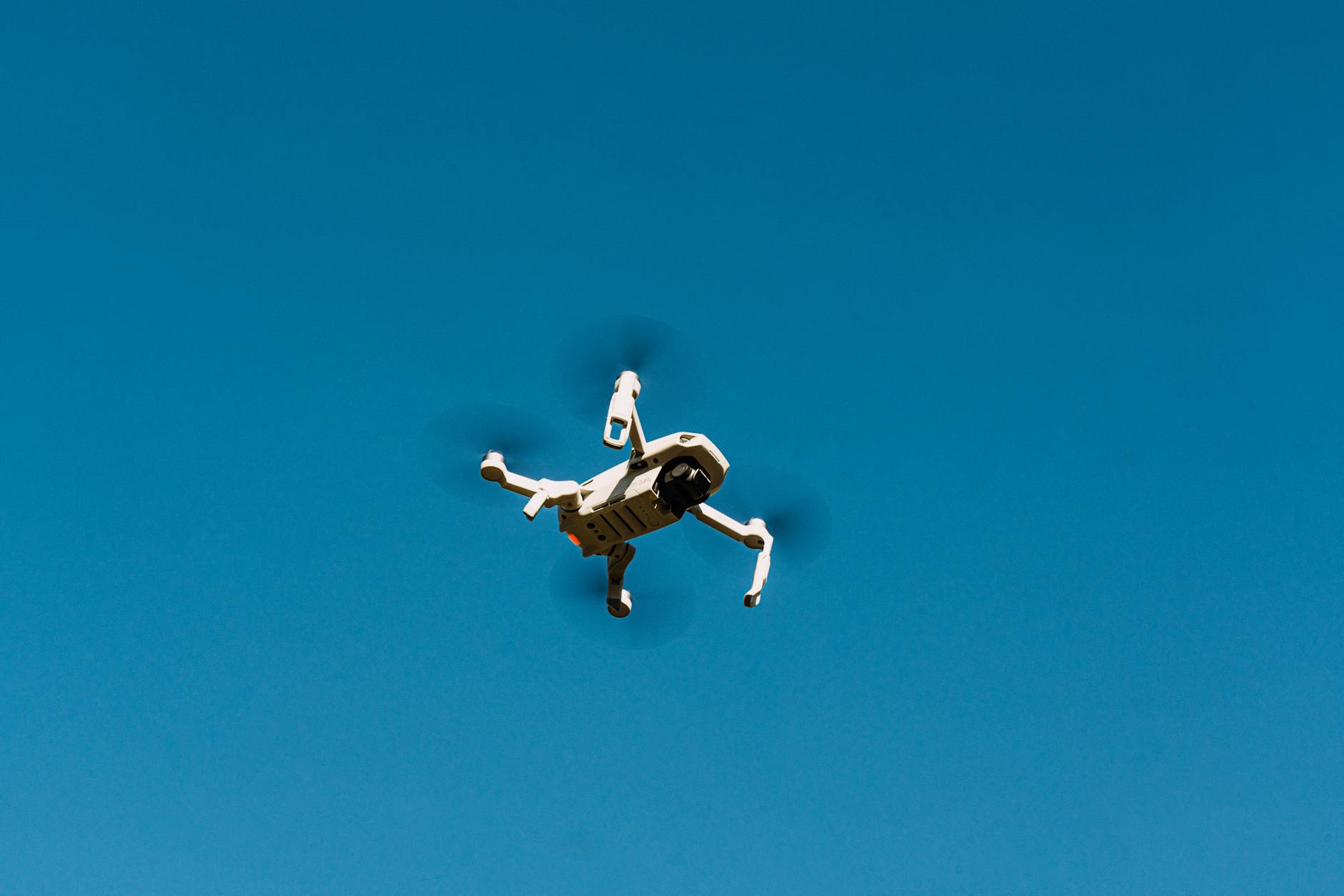
Surveillance drones, also known as unmanned aerial vehicles (UAVs), function through a combination of advanced technologies. Equipped with high-resolution cameras, thermal imaging, and sometimes even facial recognition software, these drones can capture detailed images and videos from significant altitudes. They operate either autonomously, following pre-programmed flight paths, or remotely, controlled by a human operator on the ground.
Data transmission occurs in real-time, allowing law enforcement to monitor situations as they unfold. According to a report by the Center for the Study of Drones, over 900 law enforcement agencies in the U.S. have acquired drones for various purposes, including surveillance. This technology enables police to cover large areas quickly and efficiently, providing a bird's-eye view that ground units cannot match.
Battery life and weather conditions can impact drone operations. Most surveillance drones can stay airborne for 20 to 30 minutes on a single charge, though some advanced models can fly for several hours. Wind, rain, and other environmental factors may also affect flight stability and image quality. Despite these limitations, drones have become invaluable tools for modern policing.
Balancing Security and Privacy
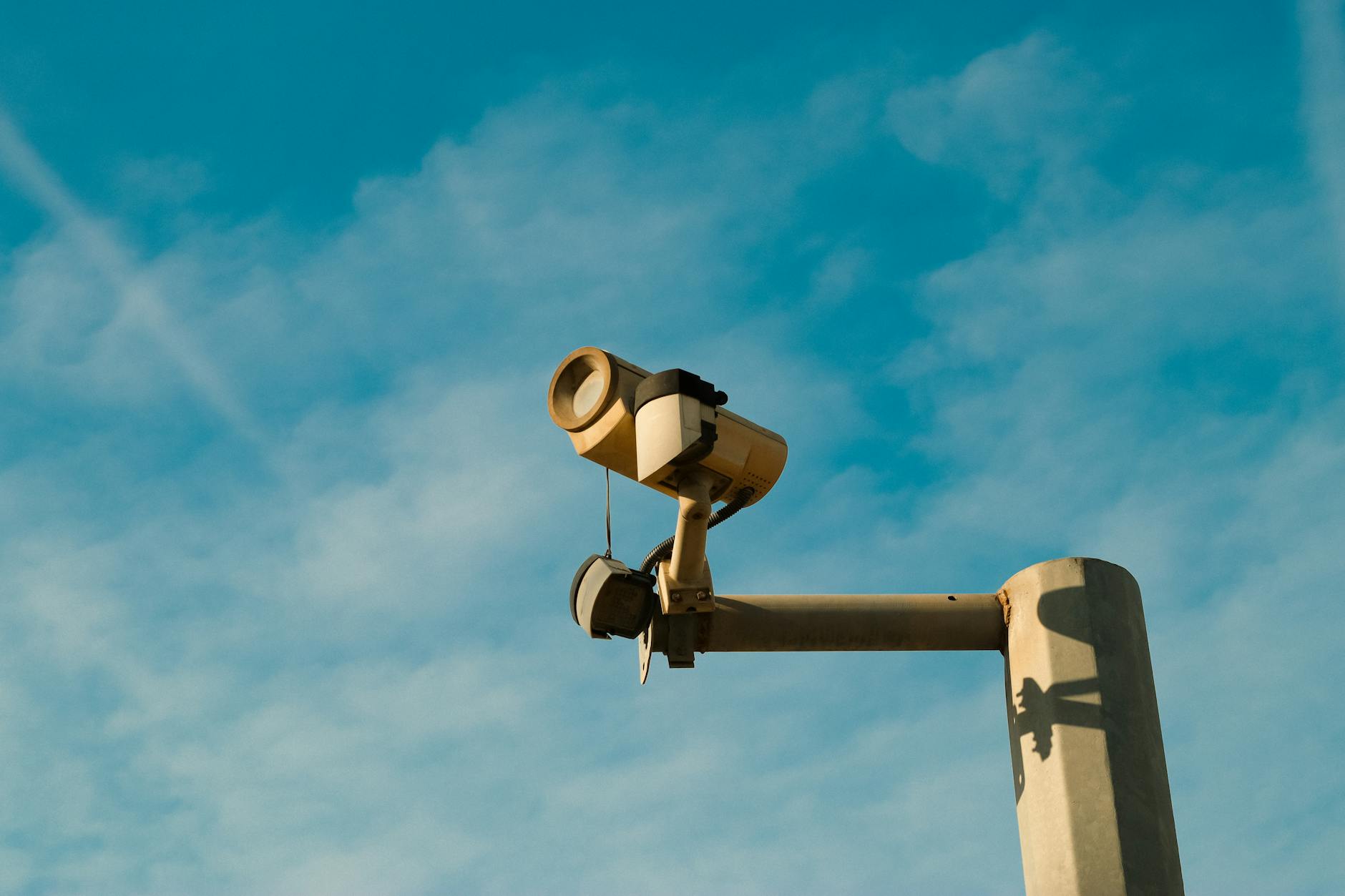
Police departments across the United States are increasingly turning to drones for surveillance, raising important questions about balancing security and privacy. These unmanned aerial vehicles offer law enforcement a powerful tool for monitoring large areas, tracking suspects, and gathering evidence. However, their use also brings concerns about potential misuse and infringement on civil liberties.
Critics argue that widespread drone surveillance could lead to a chilling effect on public behavior, with individuals self-censoring out of fear of being watched. According to a Pew Research Center survey, 63% of Americans are concerned about the potential for government misuse of personal data collected through surveillance technologies. This highlights the delicate balance that law enforcement must strike between maintaining public safety and respecting individual privacy rights.
To address these concerns, many police departments are implementing strict guidelines for drone use. These protocols often include limitations on when and where drones can be deployed, as well as requirements for obtaining warrants or consent. Experts recommend that clear, transparent policies are essential for building public trust and ensuring that drone surveillance is used responsibly.
As technology continues to evolve, the debate over drone surveillance is likely to intensify. Police departments must navigate this complex landscape carefully, weighing the benefits of enhanced security against the potential risks to privacy. Striking the right balance will require ongoing dialogue between law enforcement, policymakers, and the communities they serve.
Challenges in Drone Surveillance
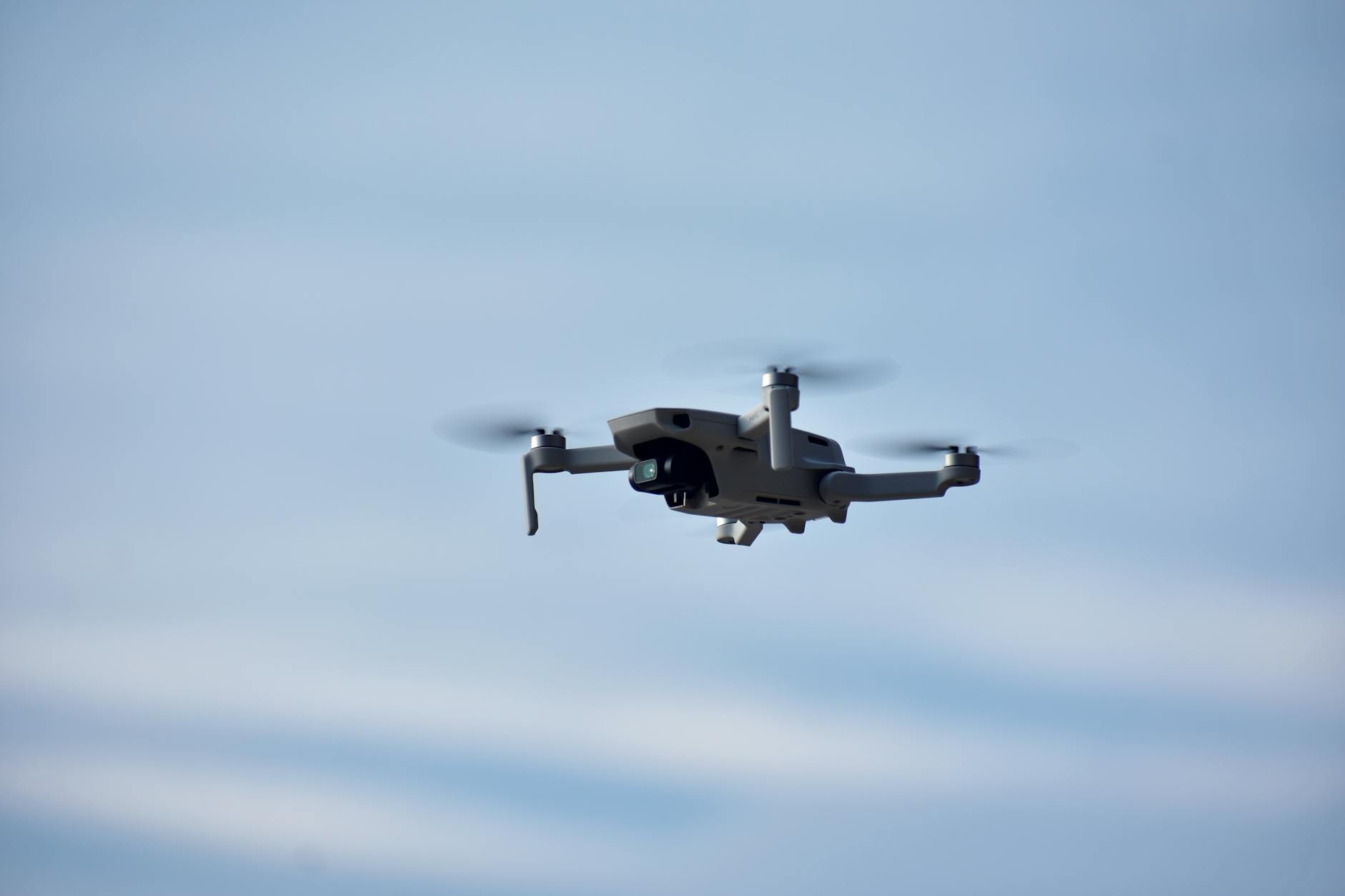
Police departments across the U.S. face significant hurdles when integrating drones into their surveillance operations. Privacy concerns top the list, with civil rights advocates arguing that aerial monitoring could infringe on individuals' rights. A 2023 Pew Research Center survey found that 63% of Americans worry about government surveillance infringing on their privacy. Balancing public safety with privacy rights remains a delicate act for law enforcement.
Technical challenges also arise. Drones must navigate complex urban environments, where tall buildings and dense populations create obstacles. Maintaining a clear line of sight and avoiding collisions requires advanced technology and skilled operators. Additionally, adverse weather conditions can ground drones, limiting their effectiveness during critical operations.
Legal frameworks present another layer of complexity. Laws governing drone usage vary widely between states, creating a patchwork of regulations that police must navigate. Some jurisdictions require warrants for drone surveillance, while others permit broader use. This inconsistency can hinder inter-jurisdictional cooperation and complicate enforcement efforts.
Budget constraints further complicate drone deployment. High-quality drones and the necessary infrastructure for their operation come at a substantial cost. Police departments must prioritize their budgets, often choosing between investing in drones or other essential resources. Securing funding for drone programs can be a significant challenge, especially for smaller departments with limited resources.
The Future of Law Enforcement Drones
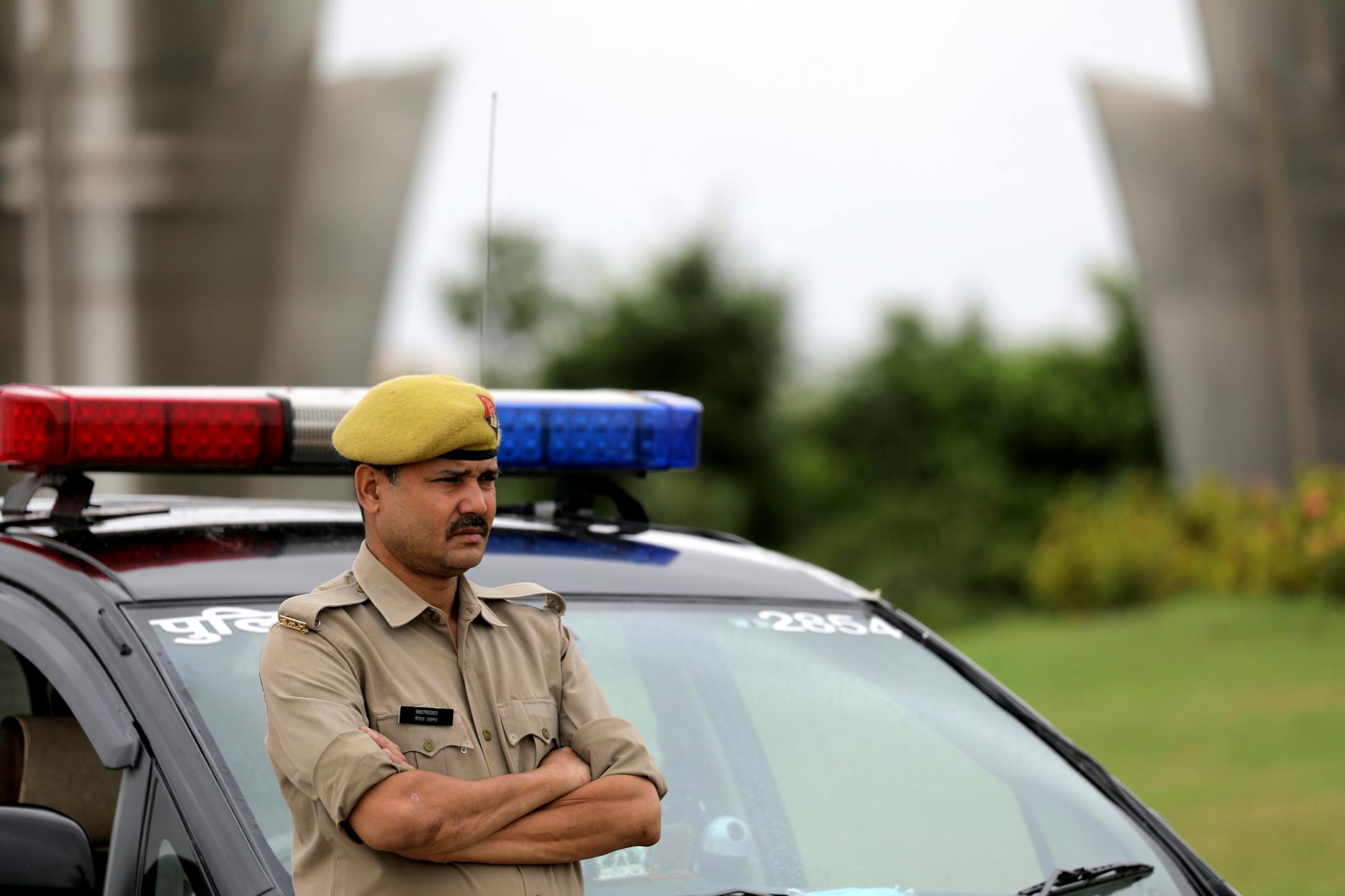
The future of law enforcement drones appears promising, with technology evolving rapidly. Experts predict drones will become even more integral to police operations, offering capabilities beyond current surveillance. Advanced features like facial recognition, license plate tracking, and thermal imaging could enhance public safety. However, these advancements also raise concerns about privacy and civil liberties.
One significant development is the integration of artificial intelligence. AI-powered drones could analyze data in real-time, identifying potential threats or suspicious activities. This capability would allow police to respond more effectively to emergencies. Yet, critics argue that AI systems may introduce biases or errors, leading to false accusations.
According to a recent study, 65% of law enforcement agencies plan to expand their drone programs within the next five years. This growth highlights the increasing reliance on drones for various tasks, from search and rescue to crowd monitoring. As technology advances, the debate over balancing security and privacy will intensify.
To address these concerns, policymakers and law enforcement agencies must collaborate. Establishing clear guidelines and regulations will ensure the responsible use of drones. Transparency and public engagement are crucial to maintaining trust between communities and police departments. The future of law enforcement drones hinges on finding this delicate balance.
The use of drones for police surveillance is becoming increasingly prevalent, with 15 U.S. cities now employing this technology to enhance public safety. While concerns about privacy and civil liberties are valid, clear regulations and transparency can help balance these interests with the benefits of improved crime prevention and emergency response. To ensure responsible use, cities should establish robust policies that define the scope of drone surveillance, data retention, and public oversight. Moving forward, as technology advances, the conversation around drone usage will likely evolve, requiring continuous dialogue between law enforcement, policymakers, and the communities they serve.
Need this answered for your specific case?
Get a flat-fee consultation with a verified U.S. immigration attorney. Engagement letter on every paid consult.
Related guides
This guide provides general legal information and does not create an attorney–client relationship. Information accurate as of August 2026. Always verify current USCIS guidance before acting.